
“Digital marketing” gets used as a catch-all term, and that’s exactly why so many businesses end up frustrated. A client hires an agency expecting one thing, gets another, and assumes they were misled – when really, nobody defined the scope clearly at the start.
Here’s a straightforward breakdown of what digital marketing actually covers, and just as importantly, what it doesn’t.
What’s Included in Digital Marketing
Search Engine Optimization (SEO)
On-page optimization, technical SEO, keyword research, link building, and content strategy aimed at ranking higher on Google and other search engines organically (unpaid).
Paid Advertising (PPC)
Running and managing ad campaigns on platforms like Google Ads, Meta Ads, LinkedIn Ads, or others – this includes ad copywriting, targeting, budget management, and performance tracking.
Social Media Marketing
Building and managing a brand’s presence on platforms like LinkedIn, Instagram, X, or Facebook – posting, engagement, community management, and paid social campaigns.
Content Marketing
Blog posts, articles, videos, infographics, and other content created to attract and engage an audience, usually tied into SEO and social strategy.
Email Marketing
Newsletters, automated drip campaigns, promotional emails, and list segmentation.
Analytics and Reporting
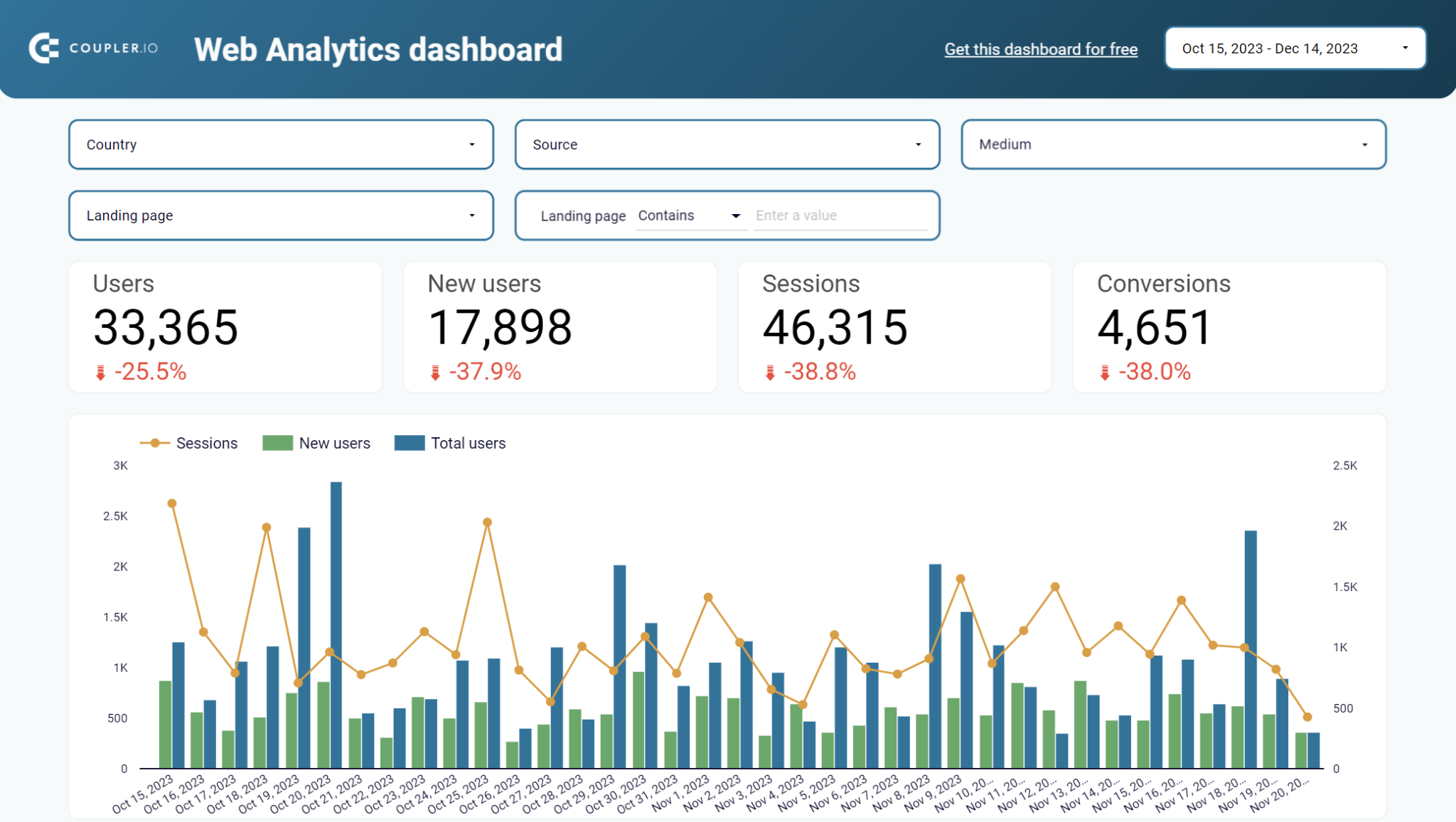
Tracking performance across all the above using tools like Google Analytics, and translating that data into decisions.
Conversion Rate Optimization (CRO)
Improving how well a website or landing page turns visitors into leads or customers – this overlaps with UX but is typically treated as a marketing function.
What’s NOT Included in Digital Marketing
This is where most of the confusion happens.
Website Design and Development
Building the actual website is a separate discipline. A digital marketing team might advise on what the site needs to convert better, but they typically aren’t the ones writing the code or designing the layout.
Branding and Logo Design
Visual identity – logo, color palette, brand guidelines – falls under branding or graphic design, not marketing. Marketing uses the brand; it doesn’t usually create it.
Product Development
What you’re selling, how it works, and its features are business and product decisions. Marketing promotes the product; it doesn’t build it.
Sales and Customer Service
Marketing generates interest and leads. Closing the deal and supporting the customer afterward are typically separate functions (sales and support teams), even though the handoff between marketing and sales needs to be smooth.
PR and Traditional Media
Press releases, media relationships, and traditional advertising (TV, print, radio) sometimes overlap with digital marketing strategy, but they’re often handled as their own specialty.
App Store Optimization (ASO)
Related to SEO in spirit, but it’s a distinct skill set focused specifically on mobile app store visibility – not every digital marketer handles this.
Why This Confusion Costs Businesses Money
When the scope isn’t clear, one of two things usually happens:
- A business hires a “digital marketing agency” expecting them to also redesign their website, only to find out that’s a separate (and separately billed) service.
- A business hires a web development agency and expects SEO and ongoing marketing to just happen, when it was never part of the agreement.
Either way, the result is the same: mismatched expectations, delayed timelines, and money spent on the wrong thing at the wrong time.
The Practical Takeaway
Before hiring anyone for “digital marketing,” ask directly: which of the categories above are actually included in this engagement? A good agency will answer that clearly instead of leaving it vague. If you need website work and marketing, treat them as two connected but distinct scopes, even if the same team ends up doing both.
Clarity upfront saves everyone time, money, and frustration later. If you’re trying to figure out which of these services your project actually needs, our services page breaks down what we offer and where each one fits.
