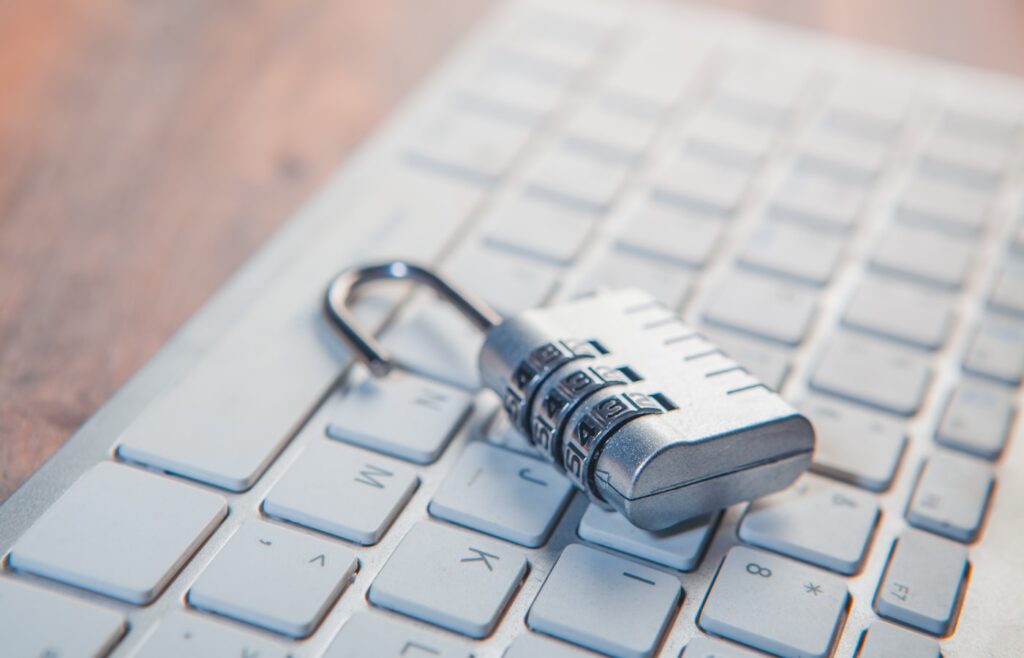
A padlock icon in the browser bar has become shorthand for “this site is safe.” It’s not wrong, exactly — but it’s answering a much narrower question than most people assume, and treating it as proof of overall security is one of the more common, and more costly, misunderstandings in how small businesses think about their website.
What HTTPS actually protects
HTTPS encrypts the connection between a visitor’s browser and your server — it makes sure that data traveling between the two can’t be read or tampered with by anyone intercepting it along the way. That matters. It’s why a login form, a payment page, or a contact form submission over HTTPS is genuinely safer than the same thing over plain HTTP.
What it says nothing about
HTTPS has nothing to do with whether the site itself has a vulnerability. An outdated plugin with a known security hole, a weak admin password, a form with no spam or validation protection, a server misconfiguration — none of that is touched by HTTPS at all. A site can have a perfectly valid certificate and a visible padlock, and still be one weak plugin away from being compromised.
“HTTPS is a lock on the mail truck. It doesn’t tell you anything about whether the building it’s driving to has an unlocked back door.”
Why this misconception persists
Browsers made HTTPS highly visible on purpose — the padlock icon, the “Not Secure” warning on plain HTTP sites — because encrypting traffic in transit is a genuinely important, solvable problem, and making it visible pushed the whole web toward adopting it. But that visibility has an unintended side effect: it’s easy to mistake “the browser shows a padlock” for “there’s nothing left to worry about.”
The takeaway
HTTPS is necessary, not sufficient. It’s one layer of a real security posture, not the whole thing. The actual list still includes keeping software updated, guarding direct file access, protecting forms from abuse, and using real, unique credentials — none of which a padlock icon can tell you anything about.